Brands that fail to produce consistent product video content watch their organic reach decline. Platforms favour video in their algorithms, and your competitors know it. Understanding how much video content per month you need is no longer optional.
Key Takeaways
- Most growing businesses need 10-15 short-form product videos and 2-4 long-form videos monthly to maintain visibility.
- We typically quote Rs 1.05 lakh to Rs 1.8 lakh per month for this volume, depending on complexity and talent requirements.
- Short-form videos (15-60 seconds) drive initial engagement; longer demos (1-3 minutes) build trust and explain value.
- Repurposing existing content expands your video library by 25-30% without new shoots.
- Allocate 30-40% of your video budget to distribution and paid promotion, not just production.
Why Product Video Content Determines Visibility
Your audience expects video. Instagram prioritises video content in feeds and Stories, and YouTube rewards consistent content with algorithmic preference. LinkedIn now surfaces video posts more aggressively than static text or images. This is not about entertainment—it is about conveying complex product features rapidly.
A well-executed product video explains more in 60 seconds than a thousand words of copy. Video builds trust, especially for Indian consumers who value seeing products in action before purchase. The format reduces friction in the consideration phase and increases conversion rates.
Video also serves distinct roles across your funnel. It introduces new products, demonstrates features, answers common objections, and showcases customer success. Each type fills a specific gap in your brand narrative. Neglecting any of these leaves holes in your digital presence.
What Determines Your Monthly Video Volume
The exact volume of product video content you need depends on your audience, product complexity, and distribution channels. There is no universal answer, but a strategic approach helps define requirements. You must align output with how your audience consumes content and how complicated your product is to explain.
Ignoring these variables leads to overspending on content nobody watches or underproducing and losing opportunities. Your budget and internal resources also shape what is sustainable. We help growing businesses define their brand identity design and translate that into effective content strategies.
Audience and Platform Demands
Your target audience dictates where and how they consume video. Younger demographics on Instagram and TikTok demand frequent, short-form, high-energy content. Business professionals on LinkedIn prefer informative, slightly longer videos. YouTube viewers tolerate and expect long-form content.
Each platform has its own optimal video length, aspect ratio, and content style. A 15-second reel for Instagram does not work as a detailed product demonstration on your website. Understanding these platform nuances is critical when planning how much video content per month to produce.
Product Complexity and Lifecycle
Simple, single-feature products need fewer straightforward videos. Complex products with multiple features or a learning curve benefit from higher volumes of detailed demonstrations and explainers. Consider how much explanation your product needs to convince a potential buyer.
New product launches demand a surge in video content to generate buzz and educate the market. Established products can rely on fewer but consistent videos showcasing new use cases or customer testimonials. Your product's lifecycle stage heavily influences the type and quantity required.
Determining Your Monthly Video Content Volume
Establishing a baseline involves balancing visibility, engagement, and resource allocation. Most small to mid-sized businesses succeed with a hybrid approach that includes both short-form and long-form content. This ensures broad reach and deep engagement.
Your goal is not to churn out videos, but to deliver value consistently. Each piece should serve a clear purpose: driving awareness, educating, or converting. A strategic content calendar manages this output effectively.
Short-Form Reels and Stories
Short-form videos (15-60 seconds) are the workhorses of modern social media visibility. Instagram Reels, YouTube Shorts, and Facebook Stories thrive on this format. These videos excel at quick product highlights, behind-the-scenes glimpses, and engaging teasers. They capture attention rapidly in crowded feeds.
For most growing businesses, producing 3-5 short-form product videos per week is a healthy target. This translates to 12-20 videos per month. This frequency keeps your brand top-of-mind and leverages algorithmic preference. Consistency matters more than sporadic viral hits.
Long-Form Demos and Explanations
Long-form videos (1-3 minutes, sometimes up to 5 for complex products) build deeper understanding and trust. These include product demonstrations, tutorials, detailed feature breakdowns, and FAQ answers. They serve prospects further down the sales funnel.
Producing 2-4 long-form product videos per month is realistic and impactful. These videos often live on your website, YouTube channel, and within your custom software solutions if they integrate product help. They address specific pain points and showcase the full value proposition.
Live and Interactive Content
Live video streams—product Q&As, workshops, launch events—offer real-time engagement and authenticity. While not traditional "product videos," they build community and immediacy. They also generate repurposable content for later editing.
Aim for 1-2 live sessions per month, especially around new features, product updates, or seasonal campaigns. These events create buzz and generate valuable user feedback. The unedited nature of live video resonates strongly with audiences seeking transparency.
Here is how different product video types compare:
| Video Type | Purpose | Typical Length | Production Effort | Visibility Impact | Engagement Potential |
|---|---|---|---|---|---|
| Short-Form Reel | Awareness, Quick Hook, Trend Leverage | 15-60 seconds | Low to Medium | High (algorithmic boost on social) | High (likes, shares) |
| Product Demo | Feature Showcase, Problem/Solution | 1-3 minutes | Medium | Medium (website, YouTube, targeted ads) | Medium (comments, saves) |
| Explainer Video | Complex Concept Simplified, Education | 2-4 minutes | Medium to High | Medium (website, email campaigns, sales enablement) | High (watch time, clicks) |
| Testimonial | Trust Building, Social Proof | 30-90 seconds | Medium | Medium (website, social ads, landing pages) | High (credibility) |
| Live Q&A | Real-time Interaction, Community | 15-60 minutes | Medium (planning) | High (real-time notifications, replay value) | Very High (live chat) |
The Real Cost of Product Video Content Per Month in India
Understanding how much video content per month you need is half the battle. You must also budget realistically for production and distribution. Generic online cost estimates rarely reflect the Indian market or the nuances of professional agency work. We provide clear breakdowns for our product reels & video services.
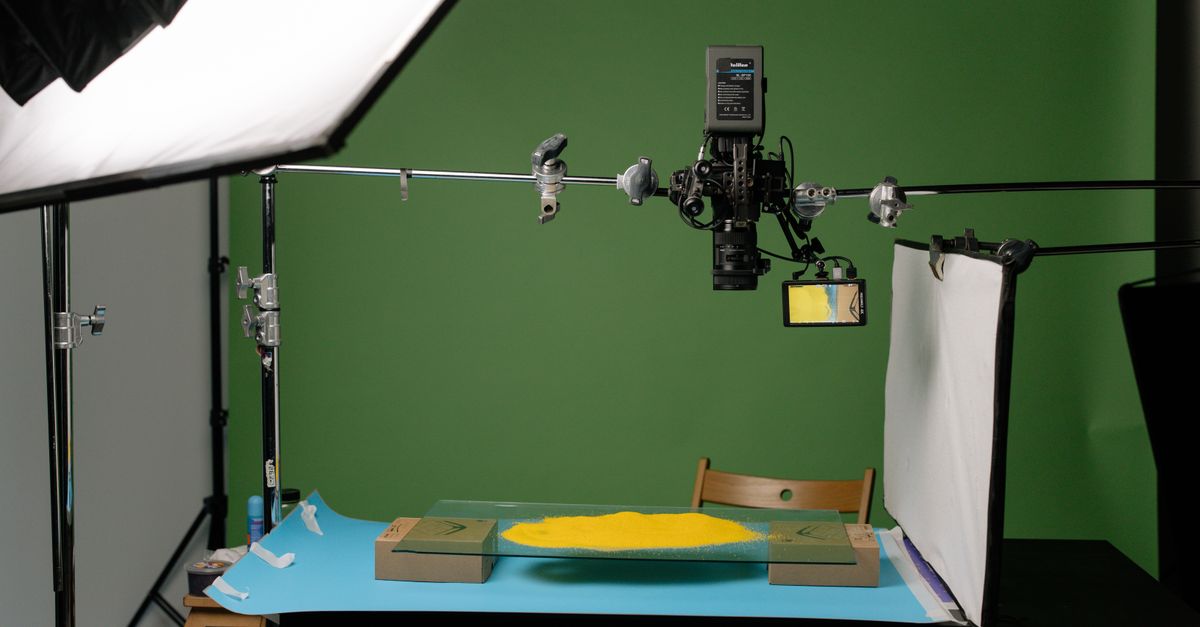
In India, quality product video content involves several components: pre-production planning, shooting, post-production editing, motion graphics, sound design, and talent fees. Skipping any of these compromises the final output.
Breaking Down Monthly Video Production Costs
Consider a balanced monthly package for a growing business: 15 short-form videos and 3 long-form videos. This is what we typically quote for this scope, not a market average. Our range for this falls between Rs 1.05 lakh and Rs 1.8 lakh per month, depending on complexity, talent, and specific deliverables.
Here is a typical calculation for a monthly retainer producing:
- 15 short-form videos (15-60 seconds each)
- 3 long-form videos (1-3 minutes each)
Cost Breakdown:
-
Pre-production and Strategy (Monthly):
- Content planning, scriptwriting, storyboard conceptualisation.
- We quote: Rs 15,000 - Rs 25,000
-
Shoot Days (Monthly):
- Typically 2-3 full-day shoots for product setup, lighting, camera work.
- Includes videographer, assistant, equipment rental (camera, lights, audio).
- We quote (2.5 days @ Rs 15,000-25,000/day): Rs 37,500 - Rs 62,500
-
Post-production (Per Video Basis):
- Editing, colour grading, sound mixing, basic motion graphics.
- Short-form (15 videos @ Rs 1,500-2,500/video): Rs 22,500 - Rs 37,500
- Long-form (3 videos @ Rs 5,000-10,000/video): Rs 15,000 - Rs 30,000
-
Licensing and Talent (Monthly):
- Stock music, voiceover artist fees (if needed), specific models or actors.
- We quote: Rs 5,000 - Rs 10,000
-
Project Management and Revisions:
- Coordination, communication, feedback cycles.
- We quote: Rs 10,000 - Rs 15,000
Total Estimated Monthly Production Cost:
- Minimum: Rs 15,000 + Rs 37,500 + Rs 22,500 + Rs 15,000 + Rs 5,000 + Rs 10,000 = Rs 1,05,000
- Maximum: Rs 25,000 + Rs 62,500 + Rs 37,500 + Rs 30,000 + Rs 10,000 + Rs 15,000 = Rs 1,80,000
This range provides a realistic benchmark for professional, consistent video content. Costs fluctuate based on location within India, specific talent requirements, and complexity of animations or special effects. A smaller package focused only on short-form reels might start closer to Rs 75,000.
Agency vs In-House Production
Deciding between an agency and an in-house team impacts both cost and quality. An in-house team provides direct control but requires significant upfront investment in equipment, software, and skilled personnel. You need videographers, editors, motion graphic designers, and content strategists. Their salaries, benefits, and ongoing training represent substantial recurring expense.
An agency like TheBrandFriend offers access to a full team of specialists and professional-grade equipment without the overheads. You pay for deliverables and expertise, not the fixed costs of employees or gear. This provides flexibility and scalability, crucial for growing businesses with evolving needs. Agencies also bring external perspectives and best practices from working with diverse clients. For a detailed comparison, consider reading our insights on in-house vs agency social media costs.
Optimising Your Investment in Video Content Per Month
Producing video is one thing. Making it perform is another. Optimising your video investment means ensuring every piece of content works harder for your brand. This involves smart planning, repurposing, and diligent performance analysis.
A well-defined performance marketing strategy is essential to amplify your video content. This ensures your videos reach the right audience at the right time. Otherwise, even the best video content struggles to generate visibility.
Repurposing and Atomisation
Maximise your content output without constantly creating new material. A single long-form product demo can be atomised into multiple short-form videos. Extract key soundbites, feature highlights, or animated segments. Turn a 3-minute explainer into a 60-second Instagram Reel, a 30-second Facebook Story, and several static graphics with quotes.
Live sessions are goldmines for repurposing. Record your webinars or Q&As, then edit them into bite-sized clips for social media. Transcribe the audio for blog posts or infographics. This approach extends the lifespan and reach of your content, making your production budget go further.
In practice, repurposing can extend your video library by 25-30% without additional shoots. This is not a productivity hack—it is strategic content planning. One well-shot long-form video yields six to eight derivative assets.
Performance Analytics
Do not guess what works. Measure it. Track key metrics for your videos: watch time, engagement rate (likes, comments, shares), click-through rates, and conversion rates. Platforms like YouTube Analytics, Instagram Insights, and Facebook Business Manager provide rich data.
Analyse which video formats, lengths, and topics resonate most with your audience. If product unboxing videos consistently outperform detailed tutorials, allocate more resources there. Adjust your approach based on real data, not assumptions. This iterative process ensures your video content continuously improves.
Straight talk: Many brands underinvest in distribution, assuming great video will automatically find an audience. You must allocate 30-40% of your video budget to promotion, whether through paid ads, influencer collaborations, or dedicated social media management efforts. Without this, even the most compelling product videos will struggle to achieve significant visibility.
Beyond Quantity: Quality and Strategy
While understanding how much video content per month is important, sheer volume alone will not guarantee success. Quality remains paramount. A poorly produced video, even if frequent, damages your brand image. Focus on clear visuals, crisp audio, concise messaging, and a strong call to action.
Every video should align with your overarching marketing strategy. What goal does it serve? Who is the target viewer? What action do you want them to take? Answering these questions before production ensures purposeful content. We work through a clear 3-step delivery process to ensure strategic alignment from concept to completion.
What we see most often: brands produce video for the sake of posting, not for achieving a specific outcome. This leads to wasted budgets and declining engagement. Each video should move a viewer closer to a conversion, whether that is signing up, requesting a demo, or making a purchase.
Distribution Strategy Matters More Than Production Volume
The best product video in the world is useless if nobody sees it. Distribution strategy must be baked into your content planning from day one. Identify where your target audience spends time, then tailor your video format and messaging for those platforms.
Paid promotion is not optional for most businesses. Organic reach has declined steadily across all major platforms over the past five years. Allocate budget for boosting posts, running targeted ads, and collaborating with micro-influencers in your niche. This amplifies your reach and ensures your videos land in front of the right eyes.
Your Next Steps for Consistent Video Visibility
Determining how much video content per month your brand needs is a strategic decision that impacts your entire digital presence. It requires understanding your audience, product, and budget. Do not let uncertainty about video volume or costs hold your business back from leveraging this essential medium.
Start by auditing your current content and identifying where video can fill gaps in your customer journey. Prioritise high-impact videos like product demos and customer testimonials. Then, build a sustainable production plan based on realistic budget allocation.
If you are a growing business in India ready to elevate your brand's visibility with professional product video content, TheBrandFriend can help. We craft strategic, high-impact video content designed to drive engagement and conversions. Contact us today for a free consultation to discuss your specific video content needs and how we can bring your products to life.
FAQs
How many product videos should a small business post daily?
Most small businesses should aim for 3-5 short-form product videos per week, not daily. This maintains quality without overwhelming your audience or your production capacity. The frequency translates to 12-20 videos monthly, which keeps you visible without burning out your team or budget.
What is the ideal length for a product video?
Short-form product videos perform best at 15-60 seconds for social platforms. Long-form demos can extend to 2-3 minutes for detailed feature explanations. Match length to purpose: quick awareness versus deep education. Platform matters too, with Instagram favouring shorter cuts than YouTube.
How much does product video content cost in India?
We typically quote Rs 1.05 lakh to Rs 1.8 lakh per month for consistent mixed content, which includes 15 short-form and 3 long-form videos. A smaller package focused only on short-form reels might start closer to Rs 75,000. Costs depend on complexity, talent requirements, and whether you need motion graphics or animation.
What types of product videos perform best?
Demonstration videos, unboxing content, customer testimonials, and problem-solution narratives consistently drive engagement. Authenticity and clear value propositions matter more than production polish. What we see most often: videos that show the product solving a real problem outperform generic brand content every time.
Short-form vs long-form product video: which is better?
Both serve different purposes. Short-form videos capture attention and drive quick engagement on social feeds. Long-form videos build understanding and trust for complex products. A balanced strategy uses both: short-form for awareness at the top of the funnel, long-form for consideration further down.